WORLD CUP BRINGING Millions in Spending— TO KANSAS CITY
- AVIA AREE

- Jun 11
- 4 min read
Updated: Jun 13
650,000 Visitors, Hundreds of Millions in Spending—and Billions Riding on the Games
Kansas City’s first World Cup match is not simply Argentina against Algeria.
It is the first major test of projections that have shaped construction plans, government budgets, hotel pricing, transportation systems and business expectations across the metro.
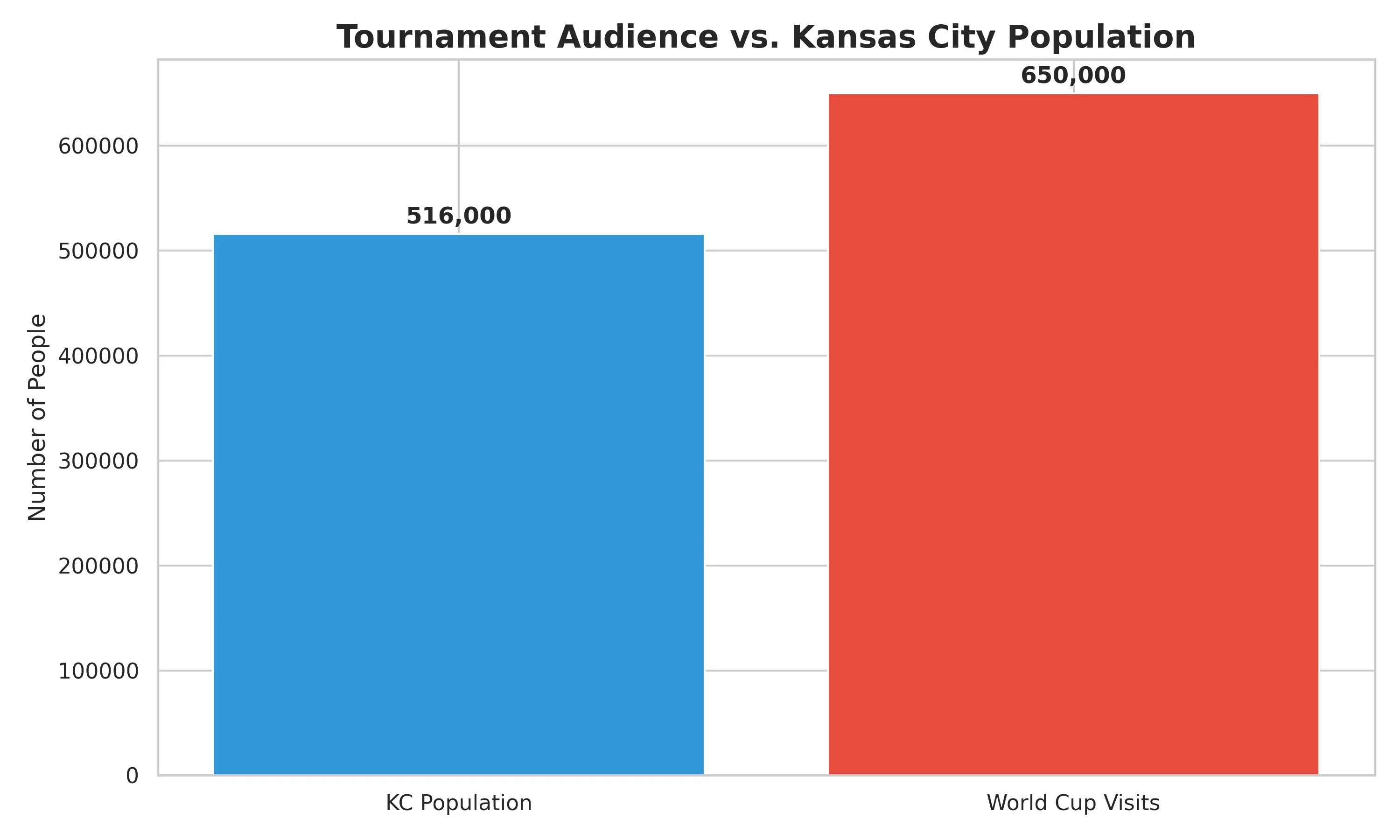
Organizers are still projecting that the tournament will produce 650,000 visits to the Kansas City region. That figure is based on approximately 2.1 million visitor-days, meaning one person present for one day counts as one visitor-day. It should not be read as 650,000 people arriving simultaneously—or necessarily as 650,000 completely different individuals. (FIFA World Cup 26™ Kansas City)
For perspective, Kansas City, Missouri, has a population of roughly 516,000. The official projection therefore represents a tournament audience larger than the city itself moving through the region over several weeks. (KCUR)
THE $653 MILLION PROMISE
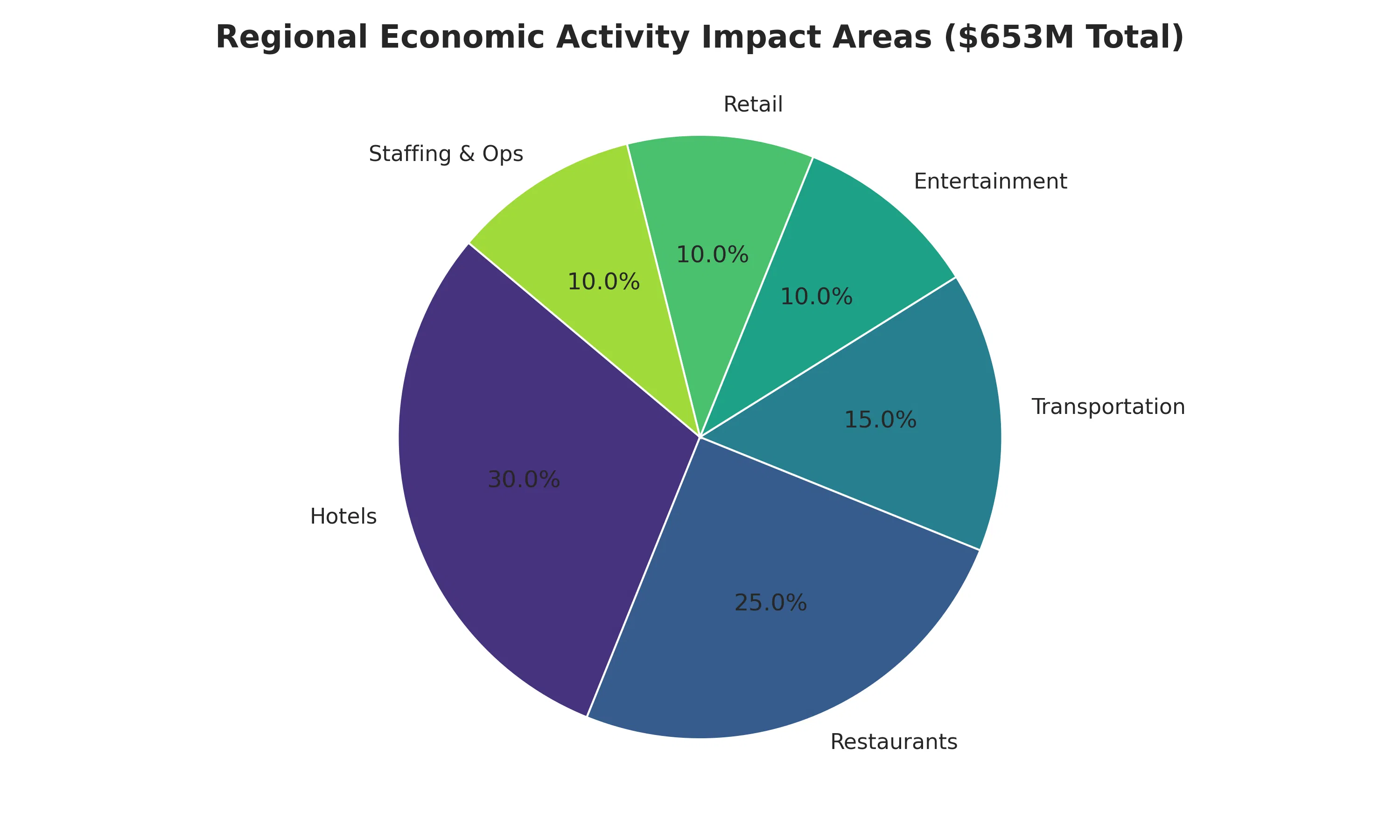
The headline economic projection is $653 million in regional economic activity.
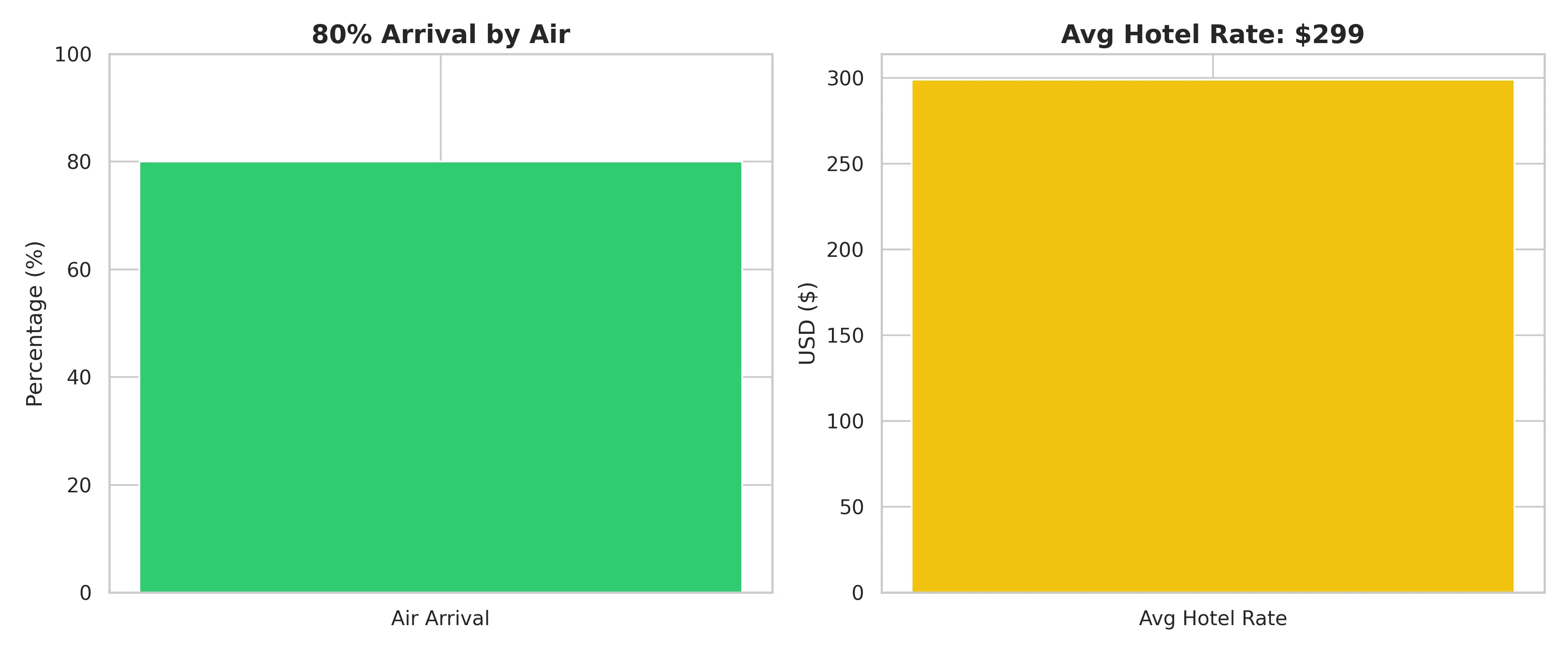
That estimate includes expected spending connected to hotels, restaurants, transportation, entertainment, retail, staffing and the operation of six matches at Kansas City Stadium. It also assumes an average hotel rate of about $299 and estimates that 80% of match attendees will arrive by air. (KCUR)
That number is an economic-impact projection, however—not $653 million deposited directly into city accounts.
Some of the money will go to national hotel companies, airlines, ticketing platforms, contractors and FIFA-related operations. Some spending by local residents may simply shift from one Kansas City business to another. Economists have also warned that promotional studies can overstate benefits by counting gross activity without fully subtracting public costs or spending displaced from elsewhere. (KCUR)
The actual impact will depend on whether visitors stay several nights, eat away from official venues, shop in neighborhood districts and move beyond the stadium and Fan Festival.
A sold-out match does not automatically guarantee a profitable month for a restaurant in Brookside, Westport or the River Market.
The money has to leave the stadium.
HOW MUCH WILL BE GAMBLED?
The betting numbers may be even larger than the local tourism numbers.
Industry forecasts differ, but current estimates suggest Americans could legally wager approximately $2.9 billion to $3.1 billion on the full World Cup through regulated U.S. sportsbooks. Globally, some analysts have projected that wagers could exceed $50 billion, which would make the 2026 tournament one of the largest betting events ever recorded. (ESPN)
There is not yet a reliable public estimate isolating how much will be wagered specifically in Kansas City or specifically on Argentina–Algeria.
That distinction matters.
The national betting total is not local economic impact. Most wagered money is returned to winning customers. Sportsbooks retain only a percentage after payouts, and Missouri receives only the applicable tax revenue—not the full amount placed in bets.
Still, Kansas City is hosting matches in a market where legal mobile sports betting makes wagering possible from a phone. Visitors may be able to place bets from hotels, parking lots, restaurants and the Fan Festival without entering a casino.
The likely betting menu will extend far beyond the winner:
First player to score
Total goals
Number of corners
Yellow cards
Individual player shots
Whether both teams score
Live bets placed while the match is underway
By the time Argentina and Algeria walk onto the field, money will already be moving with every lineup announcement and change in the odds.
THE INFRASTRUCTURE BILL
Kansas and Missouri initially committed a combined $60 million toward stadium and infrastructure support—$50 million from Missouri and $10 million from Kansas. Earlier planning included roughly $50 million in improvements at Arrowhead to prepare the stadium for FIFA requirements. (KCUR)
Kansas City also pledged approximately $15 million toward its World Cup obligations. Federal funding added roughly $59 million for security, including police overtime, vehicles, technology and other public-safety expenses. (KCUR)
Transportation became one of the largest practical challenges.
Because Arrowhead is not directly connected to the city’s rail system, organizers created ConnectKC26, a temporary regional transportation network involving more than 200 buses, stadium shuttles, airport service and routes connecting the Fan Festival to hubs across the metro. KC2026 has said the system costs millions, although it has not publicly released one complete price. (KCUR)
The tournament has accelerated or supported:
Stadium modifications and a new playing surface
Temporary removal of approximately 3,500 stadium seats
Expanded bus and shuttle service
Airport-to-downtown transportation
Street, sidewalk, lighting and traffic-control work
Security technology and emergency planning
Accessibility transportation
Improvements to training facilities and team base camps
The region has also invested more than $650 million in soccer infrastructure over the past 15 years, including stadiums, training centers and facilities that helped Kansas City attract four national-team base camps. That total is broader than World Cup-specific spending, but it explains why the city was positioned to win matches despite being the tournament’s smallest host market. (Sporting Kansas City)
THE NUMBER TO WATCH IS NOT 650,000
Hotel reservations were tracking below some early expectations as recently as May, although organizers said airline demand, short-term rentals, ticket sales and Fan Festival registrations suggested a broader travel pattern than hotel figures alone revealed. Visit KC continued to stand behind the 650,000 projection. (KMBC)
The final visitor count will not be known from one turnstile.
Officials will have to combine stadium attendance, airport traffic, hotel occupancy, short-term rentals, mobile-location data, shuttle ridership and Fan Festival entries. Even then, separating unique visitors from repeat attendance will be difficult.
The more revealing numbers may come later:
How many hotel rooms were actually occupied?
How much additional sales-tax revenue was collected?
Did locally owned restaurants and stores experience sustained increases?
How much public money was spent after security, transportation and cleanup were counted?
How many temporary improvements remained useful once FIFA left?
Kansas City has been promised 650,000 visitors and $653 million in economic activity.
The betting industry expects Americans to place roughly $3 billion in wagers.
Governments have committed tens of millions to stadium work, transportation and security.
Those are the numbers before the first whistle.
The real accounting begins after it.


Comments